The classic beginner mistake is buying monitors first and treatment never. In an untreated bedroom, good closed-back headphones tell you more truth than good monitors do, and a clean interface matters more than a fancy mic you can't yet place. The order you buy in decides whether your first studio survives two years or gets re-bought piecemeal.
These picks are chosen from published specs, current street pricing, and reviewer consensus rather than hands-on testing — every item below is a real product you can buy today, and the running total lands around $600 all-in for a setup that records and mixes without an obvious weak link.
What to look for
- A clean preamp and stable drivers, not channel count. A solo beginner records one source at a time; one quiet preamp with low-latency drivers beats four noisy ones. See the audio interface basics if the term is new.
- Closed-back isolation for tracking. Closed-back headphones stop your monitoring from bleeding into the mic and let you mix honestly in a room you haven't treated yet.
- First-reflection treatment over monitor upgrades. Foam at the points where sound bounces off your side walls to your ears fixes more than a $400 speaker swap in an untreated room.
- A mic that matches your source. A large-diaphragm condenser flatters acoustic and vocal detail; a dynamic shrugs off room noise and plosives. Buy the one your room and source call for.
- Phantom power if you go condenser. Condensers need phantom power over XLR — confirm your interface supplies 48V before you commit.
See how we pick for the full method behind these calls.
Our picks
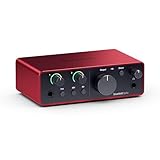
- Start here (interface) — Focusrite Scarlett Solo 4th Gen (around $130). One pristine preamp, dead-reliable drivers, and 48V phantom power; pick this over the two-input 2i2 unless you already know you'll track two sources at once.
- Cheapest that's still good (interface) — Behringer UMC202HD (around $89). Two MIDAS-style preamps for less than the Solo; pick this if budget is the hard limit and you can live with plainer software.
- The DAW (free first) — start in GarageBand if you're on a Mac (free), or grab Cockos REAPER (around $60), which runs on Windows or Mac. Its stock plugins are better than their reputation; you do not need a paid bundle on day one.
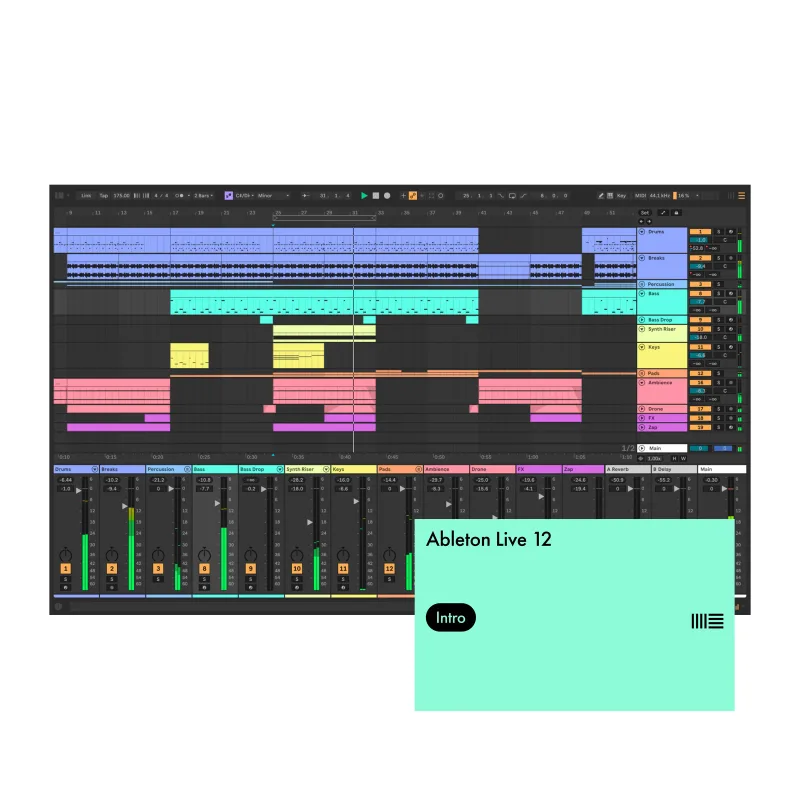
- The DAW (paid entry) — Ableton Live 12 Intro (around $99). Pick this if you're making beats or electronic music and want the clip workflow Live is known for.
- Monitoring (headphones) — Audio-Technica ATH-M40x (around $109). Flatter than the pricier M50x, which makes them the more honest mixing choice; the Sony MDR-7506 (around $100) is the equally safe alternative.
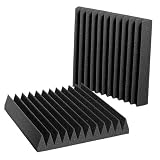
- First-reflection treatment — Auralex Studiofoam Wedgies, 24-pack (around $165) for your reflection points; on a tight budget, the Foamily 12-pack (around $25) covers the essentials.
- Your first mic (buy last) — Audio-Technica AT2020 (around $119) is the default large-diaphragm condenser for vocals and acoustic; if your room is noisy or you'll record both XLR and USB, the Samson Q2U (around $100) is the forgiving dynamic. When you outgrow either, read SM7B vs condenser.
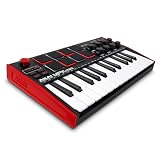
Skip MIDI keys under 25 keys, monitor stands, and plugin bundles for now — they wait. When you're ready to add monitors, the studio monitors guide covers the next step. For now, build a complete setup and let the builder assemble the full ~$600 starter studio around these parts.