Buying a synthesizer in 2026 is tricky because the word covers three very different instruments. An analog poly chases warm, drifting pads and fat bass; a digital or wavetable engine reaches for crisp, evolving textures and FM bells; a hybrid splits the difference with digital oscillators feeding an analog filter. Add the keys-versus-desktop question, voice count, and the gulf between a $249 module and a $5,000 flagship, and it's easy to overpay for features you'll never patch or underbuy on polyphony you'll wish you had.
To separate the synths worth your money from the ones that just photograph well, we track manufacturer specs, street pricing, and the broad consensus across reviewers. Here's how to narrow it down, and the specific synths we'd shortlist right now.
What to look for
- Pick your synthesis type by the sound you hear in your head. Analog excels at warm pads and bass, digital/wavetable at sharp, modern, evolving timbres, and hybrid gives you a foot in each camp.
- Count the voices, not just the keys. Mono synths nail leads and bass, but pads, chords, and stacks need real polyphony, so check the voice number before the keyboard size.
- Decide between keys and a desktop module. A keyboard version plays standalone; a desktop or Eurorack module saves space and pairs with a controller you may already own.
- Watch street prices, not list prices. Several capable synths sell well below their headline figure, and a few "budget" clones deliver classic tones for a fraction of the original.
- Don't overbuy on patch points or presets. A deep semi-modular is wasted if you never run a cable, and most home producers are well served by a focused engine they actually learn.
See how we pick for the full method behind these calls.
Our picks
- Best overall — Arturia MiniFreak (around $649). Six voices of digital engines feeding analog filters across 37 keys make it the most versatile single synth most home studios need. It covers leads, pads, and weird textures without committing you to one camp.
- Best value — Arturia MicroFreak (around $299). A 4-voice hybrid with a stack of digital oscillator modes and an analog filter on 25 keys, it packs more sonic range than instruments costing several times as much. A strong first synth if you're still building a home studio.
- Best budget analog — Behringer Model D (around $259). A Minimoog-style 3-oscillator analog mono in a compact desktop/Eurorack module. If you want genuine fat analog bass and leads for the price of a pedal, this is it.
- Best first analog poly — Korg minilogue bass (around $500). Four-voice analog polyphony with 37 keys, tuned for low-end and hands-on sound design. A friendly on-ramp to real analog without the flagship price.
- Best wavetable — Korg modwave mk II (around $800). Modern wavetable synthesis with Kaoss Physics motion control and 60 voices for rich, animated pads and leads. The pick when you want movement and digital sheen over analog grit.
- Best premium — Sequential Prophet-6 (around $3,465). Classic Prophet-style analog polyphony with discrete VCOs and filters plus dual onboard FX across 49 keys. A genuine flagship for the player who wants the real thing.
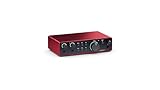
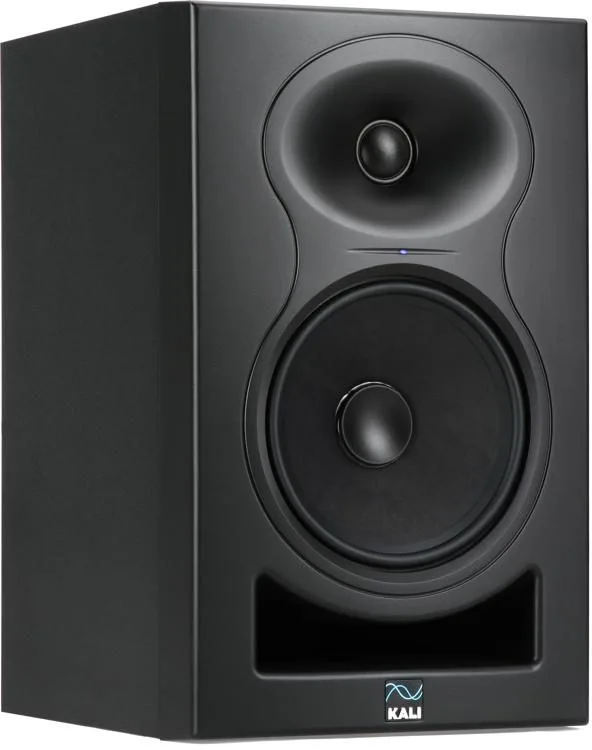
Once you've chosen a synth, route it through an audio interface and the rest of the room falls in line. Pair it with a controller keyboard and the right monitors, then build a complete setup to balance your whole home studio around it.