The internet will tell you the SM7B is the only vocal mic. The truth is more useful: it's the most forgiving vocal mic, and forgiveness is what untreated rooms need. A condenser hears more detail and air — but it also hears your refrigerator, your street, and your bare walls. The right answer is not a mic, it's a question about your room.
This is a comparison built on published specs, polar-pattern behavior, and reviewer consensus rather than hands-on testing. The short version: pick the mic that matches the space you actually record in, then make sure your audio interface can drive it. Below is the decision split, named picks at every budget, and the one trap that sinks most first-time buyers.
What to look for
- Start with the room, not the mic. A dynamic rejects off-axis sound and tames a bad room; a condenser amplifies whatever the room gives it, good or bad.
- Check your clean-gain headroom. The SM7B is a quiet mic and needs roughly 60 dB of clean gain — older or cheap preamps hiss before they get there.
- Match the polar pattern to your situation. Cardioid (both types here) rejects the rear; that rejection is what kills room noise behind the mic.
- Decide XLR or USB. XLR mics need an interface and phantom power for condensers; a USB condenser skips the interface entirely.
- Budget the whole chain. A great mic into a noisy preamp sounds worse than a modest mic into a clean one — spend on both.
See how we pick for the full method behind these calls.
Our picks
Pick a dynamic if you record in an untreated bedroom, near street noise or roommates, or you just want a mic that forgives a rough space:
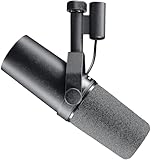
- The forgiving default — Shure SM7B (around $439). The consensus broadcast/vocal workhorse; rejects the room beautifully but demands serious clean gain.
- Same sound, no gain headache — Shure SM7dB (around $549). The SM7B with a built-in active preamp, so budget interfaces drive it cleanly. Buy this if your interface is older or entry-level.
- Budget dynamic — RODE PodMic (around $199). A broadcast-voiced dynamic that gets you 80% of the SM7B character for under half the price.
Pick a condenser if you have a treated space, a quiet house, and you want detail and air the dynamic can't deliver:
- Budget condenser entry — Audio-Technica AT2020 (around $119). The starting line for studio condenser sound; pair it with treatment, not a bare room.
- Best all-round condenser — RODE NT1 (5th Generation) (around $249). Low self-noise plus a dual XLR/USB output, so it grows with you. The smart default for a treated room on a budget.
- Premium studio condenser — Neumann TLM 102 (around $749). The detail-and-flatter-vocals splurge once your room is genuinely controlled.
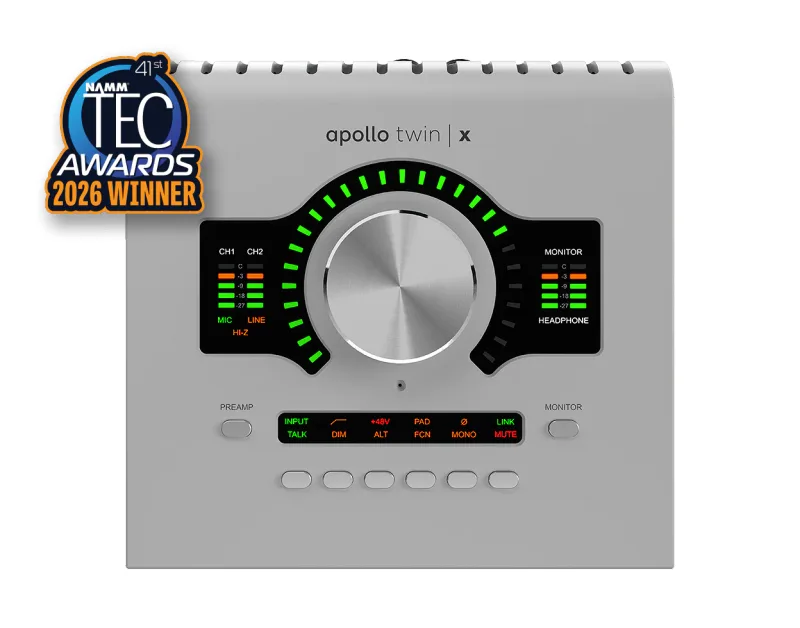
The trap to avoid: buying a condenser for an untreated room and blaming the mic for the echo — or buying an SM7B without checking your preamp. If you go SM7B, a clean interface like the Focusrite Scarlett 2i2 (4th Gen) (around $180) clears the bar, and a UA Apollo Twin X DUO Gen 2 (around $599) has gain to spare; otherwise grab the SM7dB.
Bottom line: untreated bedroom, buy the SM7B (or SM7dB if your interface is weak). Treated room on a budget, buy the NT1. Just starting out? Sequence the room first with the beginner home-studio guide, then build a complete setup around your pick.