Most home studios sound bad not because of the gear, but because of the room. Bare walls and parallel surfaces create flutter echo, comb filtering, and a bloated low end that makes mixes that don't translate to other speakers. The hard part is figuring out what actually fixes those problems: foam off a marketplace listing looks like a solution but does almost nothing below the midrange, while a proper panel or bass trap targets the frequencies that are actually wrecking your room.
What to look for
The two problems worth solving first are first reflections (the early bounces off your side walls, ceiling, and desk that smear stereo imaging) and low-frequency buildup in the corners. These need different treatment.
- Broadband absorption versus foam: rigid mineral-wool or fiberglass panels absorb across a far wider frequency range than acoustic foam, which mostly tames high frequencies and leaves the muddy mids and lows untouched.
- Bass control: low-end energy collects in corners, and only thick, dense bass traps meaningfully absorb it. No amount of thin foam will do this job.
- Coverage versus a portable fix: if you can't treat the whole room, a portable vocal filter dries up recordings without building a booth.
- Thickness and density: deeper, denser absorbers reach lower in frequency. Thin products are fine for taming brightness but won't fix a boomy room.
- Mounting and room kits: pre-planned kits take the guesswork out of placement and give you balanced coverage in one purchase.
Because we research rather than lab-test, every product here is scored on documented absorption specs, manufacturer data, and category fit. See how we pick for the full rubric.
Our picks
- Best overall — GIK Acoustics 242 FlexRange Acoustic Panel: a true broadband panel that outperforms foam for first-reflection points, with absorption that reaches well into the mids.
- Best bass control — GIK Acoustics 244 Bass Trap: real low-end control for corners, the one job foam simply can't do.
- Best portable vocal fix — sE Electronics Reflexion Filter Pro: dries up vocals in an untreated room without committing to a build-out.
- Best whole-room kit — Primacoustic London 12 Room Kit: balanced, pre-planned coverage for a small studio in a single box.
- Best budget starter — Auralex Studiofoam Wedgies (24x 12"x12"x2"): an honest entry point for taming brightness and first reflections in vocal corners, with the usual foam caveat that it won't touch the low end. Budget-tier.
If you want these panels placed correctly alongside your monitors, interface, and the rest of your room, build a complete setup and we'll lay out a balanced enthusiast home studio.
What changed in 2026
The biggest shift is honesty about foam: marketplaces have flooded with cheap egg-crate tiles marketed as "soundproofing," and more buyers now understand they do almost nothing below the upper mids. Demand has moved toward rigid mineral-wool and fiberglass broadband panels and toward genuinely deep corner bass traps, where the acoustic physics actually pays off. Prices on entry kits have crept up with shipping costs, so the value gap between a real broadband panel and a foam look-alike is wider than ever. The category's trajectory is clear: spend on density and thickness, not on the box count.
Mistakes beginners make
- Buying thin acoustic foam expecting it to fix a boomy low end, when it only tames brightness above the mids.
- Treating the back wall first and ignoring the first-reflection points on the side walls and ceiling that smear stereo imaging.
- Skipping corner bass traps entirely, leaving low-frequency buildup that no amount of wall panels will absorb.
- Choosing panels by appearance or color instead of by thickness and density, which determine how low they reach.
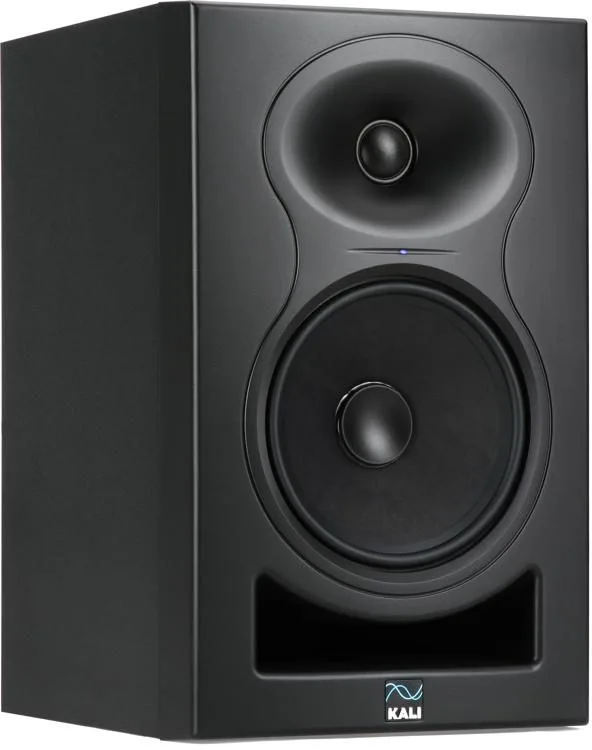
- Spending heavily on monitors like the Kali Audio LP-6 V2 before treating the room they have to play into.
How much to spend
Minimum viable
If budget is tight, a single portable vocal filter dries up recordings without building a booth, and one pair of broadband panels at the first-reflection points buys the biggest audible improvement per dollar. This pairs well with a closed-back reference like the Audio-Technica ATH-M50x for checking work when the room itself is still untreated.
Sweet spot
Most home studios are well served by four to six broadband panels plus two thick corner bass traps. This covers first reflections and the worst low-end buildup, which is the point where mixes start translating to other speakers and a RØDE NT1 vocal take stops sounding like the room.
Buy once, cry once
A full room kit of dense, deep panels and floor-to-ceiling corner traps is the buy-once tier: you treat reflections and bass together, and you never re-buy thin product that underperformed. It is the right call when you are committing to monitoring on the Kali Audio LP-6 V2 as your reference for years.
How to choose: the decision that matters
Two axes drive every acoustic treatment decision: frequency reach (does the absorber actually reach the low frequencies wrecking your room, governed by its thickness and density) and coverage strategy (full-room treatment versus a targeted portable fix). Plot your room on those axes:
- Deep reach + full coverage: a complete kit of thick panels and corner bass traps — the gold standard for a permanent mixing room.
- Deep reach + targeted: a few dense corner bass traps placed only where low-end collects — best when boomy bass is your one problem.
- Shallow reach + full coverage: lots of thin foam everywhere — looks treated, kills brightness, leaves the mud; the trap most beginners fall into.
- Shallow reach + targeted: a portable vocal filter for recording — the right minimal fix when you can't treat the room at all.
How we researched this
Every pick here is drawn from our sourced product catalog, where each spec is sourced or flagged so you can see exactly where a number comes from. This guide is research-based rather than hands-on tested — read our methodology to see how we evaluate, and check the field-level sources on each product page before you buy.