Choosing a microphone for a home music-production setup is hard because the right mic depends entirely on what you record and how your room sounds. A USB condenser that sounds great for clean voiceover in a treated booth can amplify every reflection in an untreated bedroom, while a broadcast dynamic that ignores room noise may need far more clean preamp gain than your interface can deliver. The headline question isn't "which mic is best" but "which mic matches my source, my room, and my interface."
Every pick here is scored on published specs, manufacturer documentation, and the consensus use-cases each mic was designed for. See how we pick for the full approach.
What to look for
- Connection type — USB mics plug straight into a computer and skip the interface entirely, ideal for a first setup. XLR mics need an audio interface but scale better as your rig grows.
- Capsule type — Dynamic mics reject room noise and handle loud sources, which suits untreated rooms and close vocals. Condensers capture more detail and air but pick up everything around them.
- Polar pattern — A tight cardioid pattern rejects off-axis sound and is the safe default for solo recording; wider patterns are for rooms or groups.
- Gain requirements — Low-output dynamics can demand a lot of clean preamp gain. If your interface is modest, an active or higher-output mic saves you from adding an inline booster.
- Intended source — Vocals, spoken voice, guitar cabs, and acoustic instruments each reward different designs. Match the mic to your most common source first.
Our picks
- Best overall — Shure SM7B (around $440): the podcast and vocal industry standard, prized for warmth and noise rejection, but it needs a serious clean preamp to drive it.
- Best no-fuss vocal dynamic — Shure SM7dB (around $549): the SM7B sound with a built-in active preamp, so you skip the external Cloudlifter and gain headaches.
- Best broadcast voice — Electro-Voice RE20 (around $449): the radio and voiceover standard, with Variable-D that tames proximity boom up close.
- Best premium condenser — Neumann TLM 102 (around $749): an accessible entry into the classic Neumann vocal sound for detailed studio capture.
- Best budget USB — RØDE NT-USB Mini (around $109): a compact desktop USB condenser with a magnetic stand that plugs straight into your computer, no interface required.
For loud sources on a tight budget, the RØDE Procaster (around $218) and the indestructible Shure SM58 (around $109) are both honest, hard-working choices.
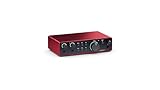
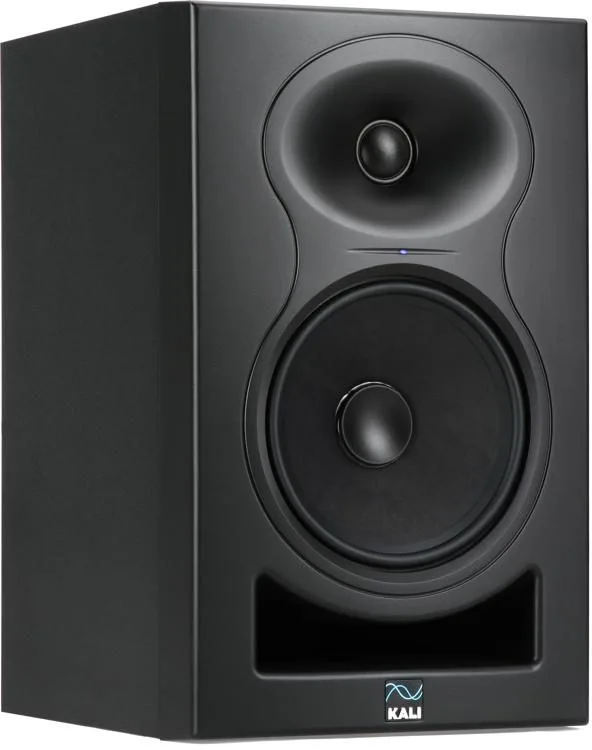
Once you've picked a mic, pair it with the right interface, monitors, and treatment by using our build a complete setup tool to assemble a balanced home studio around your budget.