Picking a sim racing wheel is the part of the rig where money and discipline collide. The wheel itself doesn't generate force feedback — your base does that — so what you're really buying is the rim: its grip shape, the number and quality of buttons, whether it has dual clutch paddles, and whether it carries an onboard display. The catch is that most rims are tied to a specific base ecosystem, so a wheel that looks perfect can be useless on hardware you already own. Add the gap between a $230 GT rim and a $960 endurance replica, and it's easy to overspend on inputs you'll never map.
We compare published specs, ecosystem compatibility, and pricing to make these picks. See how we pick for the full method.
What to look for
- Base compatibility first. A rim only works on its own ecosystem's quick-release. Confirm the wheel matches the base brand you own (or plan to buy) before anything else — cross-brand adapters exist but are limited, and QR standards differ even between hub systems, so don't assume a third-party adapter will carry buttons and display data across brands.
- Rim shape for your discipline. A round or GT-style wheel suits GT3 and endurance racing; a flat-bottom formula rim suits open-wheel single-seaters. Don't buy a formula wheel for GT racing.
- Inputs that match how you drive. Dual-clutch paddles matter for race starts; a high button and rotary count helps for endurance and rallycross. More inputs aren't automatically better if you won't use them.
- Onboard display. An integrated OLED or RevLED strip shows gear, RPM, and flags without glancing away — genuinely useful for longer races, but it adds cost.
- Modularity. Hub-based systems let you swap rims and add button/display modules, which protects your investment if you change disciplines later.
Our picks
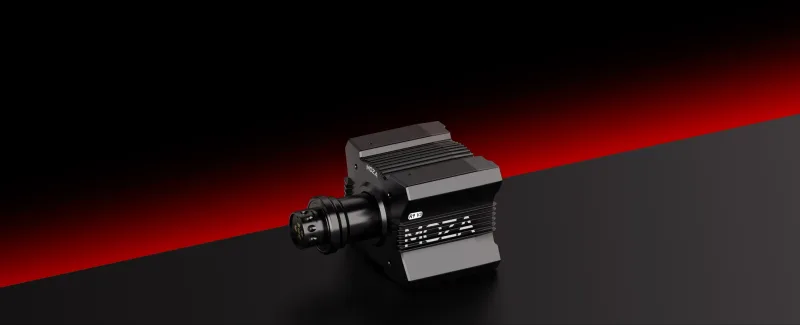
Route by the base you own first: on a Fanatec base, start with the CSL GT3; on MOZA, the GS V2P (or the ESX to save money); on Simagic, the FX Formula or Zeus. If you're a console-first or casual player without a base yet, skip standalone rims and buy a wheel-and-base bundle instead — see best wheelbases for sim racing for the matching base.
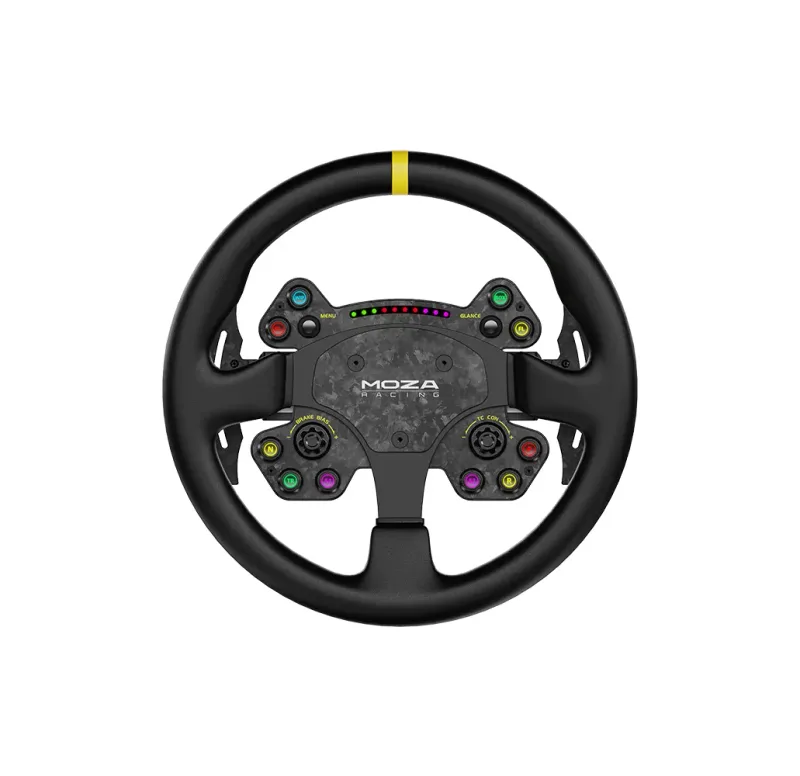
- Best value — MOZA ESX Steering Wheel (around $129). The cheapest competent rim here: a clean GT-style wheel with the inputs you'll actually map. Pick this if you're on a MOZA base and want a capable wheel without paying for a display or extra rotaries you won't use — most newer racers should stop here.
- Best overall — Fanatec CSL Steering Wheel GT3 (around $230). An enthusiast-tier GT rim with dual clutch and an OLED display at a mid-tier price, making it the easiest wheel to recommend for most GT3 racers.
- Best for GT racing — MOZA GS V2P GT Wheel (around $369). A pro-tier GT rim with an onboard display and deep input mapping for drivers on MOZA bases.
- Best modular hub — Fanatec Podium Hub + QR2 (around $290). The CSL GT3 is enough for most Fanatec racers; step up to this hub only if you already own a premium rim, plan to switch disciplines, or want to build custom Podium-tier wheels from your own button and display modules.
- Best formula wheel — Simagic FX Formula Steering Wheel (around $359). A pro-tier flat-bottom rim built for F1-style single-seater racing on Simagic bases below the FX Pro.
- Best premium — Simagic Zeus Formula (around $499). The $140 over the FX Formula buys 92 inputs and modular paddles, so the jump is worth it only if you genuinely need that input density and adjustable paddle hardware for demanding single-seater setups.
Your wheel is only one piece — the base, pedals, and rig all have to work together. When you're ready to put it all in context, build a complete setup and see how each wheel fits a full rig within your budget.