A sim racing cockpit is the foundation everything else bolts to, and it is the one purchase most newcomers underestimate. A wheel base that spikes to 15, 20, or 30 Nm of torque will flex and twist a flimsy frame, killing the very feedback you paid for. The hard part is matching frame rigidity to your wheel base's torque, leaving room for pedals and a shifter, and not overspending on extrusion you will never load. This guide is research-based — we do not bench-test rigs — so we focus on the structural fundamentals and how each frame is built. See how we pick.
What to look for
- Material and profile. Welded steel rigs are cheaper and fine for belt-drive and entry direct-drive wheels. Aluminum extrusion (commonly 80/20-style) is stiffer per pound, infinitely adjustable, and the standard once you move into higher-torque direct drive. Wider and double-walled profiles resist twisting under load.
- Torque headroom. Match the frame to the wheel base you own or plan to buy. A frame rated for a few Nm will visibly flex under a 20 Nm+ direct-drive base, while an over-built rig wastes money if you run a modest wheel.
- Mounting compatibility. Confirm the front mount accepts your wheel base and that the pedal plate and deck are pre-drilled for common pedal and shifter patterns. Broad compatibility saves you from drilling later.
- Seat strategy. Some rigs include a seat; most aluminum-profile frames expect you to add a fixed bucket or a seat bracket for an OEM-style seat. Budget for this if it is not bundled.
- Footprint and adjustability. Measure your space. Adjustable uprights, deck angle, and seat rails matter more for long-term comfort than headline specs.
Our picks
- Best overall — Trak Racer TR160 V5: top-scoring frame here, built on double-walled 160 mm extrusion that handles any consumer torque level you can throw at it. Flagship-tier.
- Best premium — Sim-Lab P1X Pro Simracing Cockpit: a high-torque platform on a 160x40mm base with 120x40mm uprights, built for the strongest direct-drive bases. Premium-tier.
- Best high-torque value — Trak Racer TR120S V2: manufacturer-rated for 30 Nm+ direct drive at a notably lower price than flagship rigs.
- Best mid-range — Sim-Lab GT1 Evo Simracing Cockpit: a DD-ready 80/20 chassis that brings aluminum-profile rigidity into a sensible mid-range price.
- Best budget — GT Omega Apex Cockpit: a steel rig with an included seat, well-suited to belt-drive and entry direct drive up to roughly 8 Nm. Budget-tier.
Once you have settled on a frame, the wheel, pedals, and base all have to work together — build a complete setup to see a matched rig around your chosen cockpit.
What changed in 2026
Direct-drive torque keeps climbing into the mainstream, and frames have had to keep pace. Mid-priced wheel bases now routinely reach into the high single digits and beyond, so the gap between a stiff tube-steel rig like the Playseat Trophy and a flimsy folding stand matters more than it did a few years ago. Aluminum-profile frames have also gotten cheaper per foot, narrowing the price premium over welded steel. The honest takeaway: buy the rigidity your wheel base actually demands, not the brand hype.
Mistakes beginners make
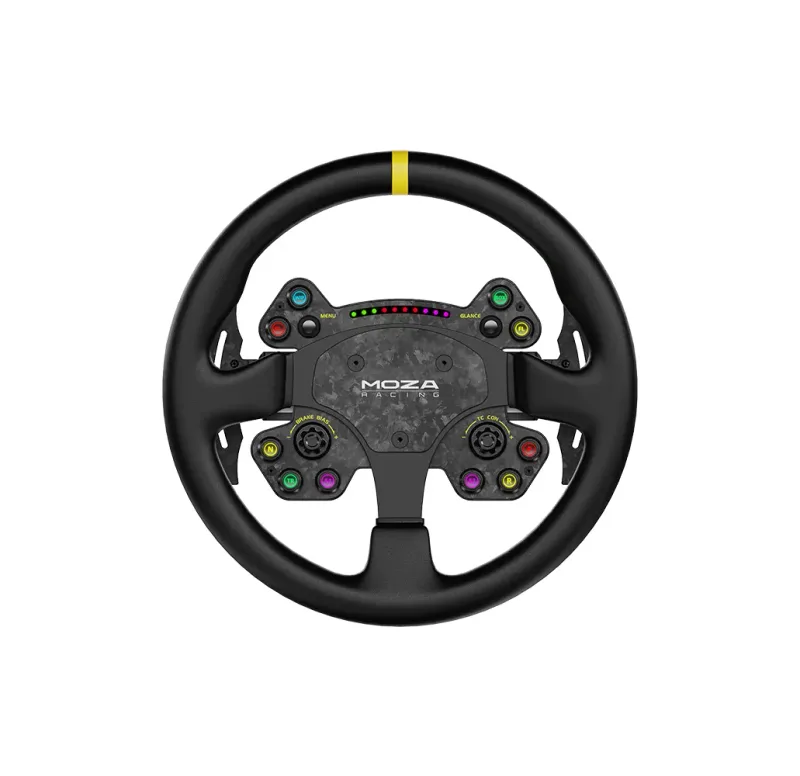
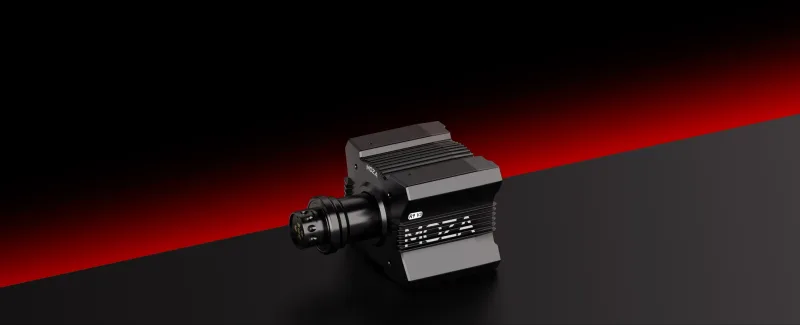
- Buying a flexible folding stand, then pairing it with a direct-drive base like the MOZA R9 V3 and wondering why the wheel twists the frame.
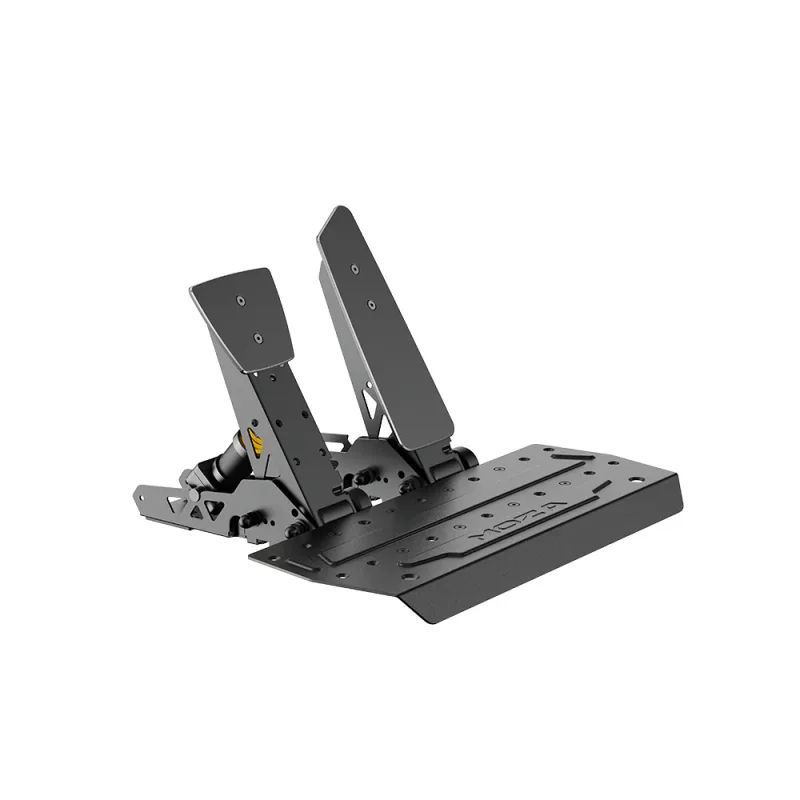
- Forgetting to budget for a load-cell pedal plate that won't flex under the heel pressure of pedals like the SR-P.
- Over-buying heavy aluminum extrusion for a modest belt-drive setup they will never load that hard.
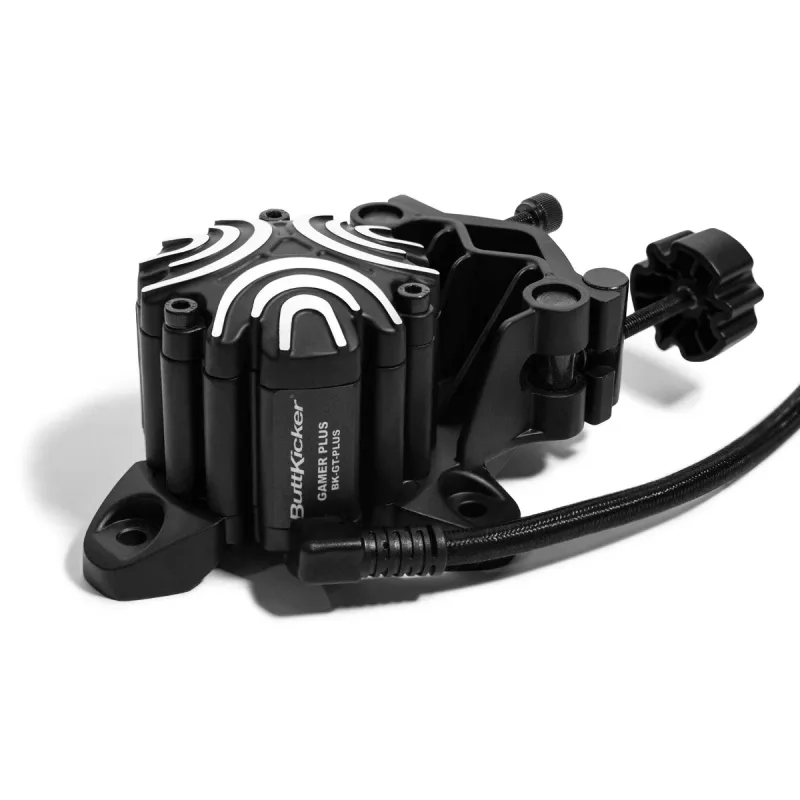
- Ignoring seat-mounting reality, then having nowhere to clamp a transducer such as the ButtKicker Gamer PLUS.
- Not checking that the front mount and pedal deck are pre-drilled for their specific base and pedal pattern before ordering.
How much to spend
Minimum viable
A rigid wheel stand or tube-steel rig that won't visibly flex under a single-digit-Nm base. The point is a stable foundation, not adjustability — spend here only what keeps the wheel from twisting the frame.
Sweet spot
A solid integrated rig like the Playseat Trophy: it includes a seat, mounts a base such as the MOZA R9 V3 securely, and leaves room for load-cell pedals without you shopping for parts separately.
Buy once, cry once
Full aluminum-profile (80/20-style) frame with double-walled extrusion. You pay more up front, but it absorbs any future torque upgrade, mounts haptics cleanly, and you never re-buy the foundation.
How to choose: the decision that matters
Two axes drive this category: frame rigidity (will it resist twist under load?) versus upgrade headroom (will it still fit the base you buy next year?). Map your situation onto the four quadrants:
- Low rigidity, low headroom: a budget stand for a belt-drive wheel — fine until you go direct drive.
- High rigidity, low headroom: a stiff integrated rig like the Trophy — great now, less modular later.
- Low rigidity, high headroom: a cheap modular base you'll have to brace — rarely worth it.
- High rigidity, high headroom: aluminum-profile frames — the buy-once endgame for strong direct drive.
How we researched this
Every pick here is drawn from our sourced product catalog, where each spec is either cited or flagged when a manufacturer figure couldn't be confirmed. This guide is research-based rather than hands-on bench-tested, so read our methodology and check the field-level sources on each product page before you buy.