A direct drive wheelbase is the single biggest upgrade you can make to a sim racing setup, but the category is genuinely hard to shop. Torque numbers are quoted in peak Nm that most people never use, prices swing from a few hundred dollars to well over $1,300 for hardware that looks nearly identical, and the platform matters as much as the motor — a base built around one ecosystem locks you into its wheels and accessories. The right pick depends less on chasing the biggest number and more on matching torque, ecosystem, and console compatibility to how you actually race.
What to look for
- Torque (Nm) vs. usability: More peak torque means stronger, more detailed force feedback, but most racers run their base well below its ceiling. A higher-torque unit gives headroom and sustained-force consistency rather than a number you'll max out daily.
- Console vs. PC: PC-only direct drive bases are common. If you race on Xbox or PlayStation, compatibility is determined by the ecosystem, not the motor — confirm console support before anything else.
- Ecosystem lock-in: Your wheelbase decides which wheel rims, pedals, and accessories you can use. Buying into a platform is a long-term commitment, so weigh the breadth and pricing of the surrounding catalog.
- Slew rate and motor quality: How fast a base can change force (slew rate) affects how crisp curbs and kerb strips feel, separating flagship hardware from mid-tier units that share the same peak torque.
- Build and mounting: Higher-torque direct-drive bases need rigid mounting. A solid cockpit or stiff desk clamp matters more as torque climbs — if you're not on one yet, see our cockpit guide.
See how we pick for the full method behind these calls.
Our picks
Based on our scoring (see how we pick), these stand out across budgets and use cases:
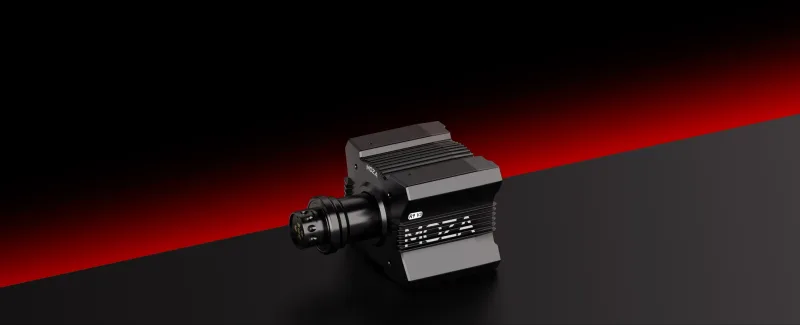
- Best budget / entry DD — MOZA R9 V3 (9 Nm): real direct-drive feel without the flagship price, with a deep, well-priced ecosystem of rims and pedals to grow into, around $329 (PC). Pick this if you're stepping up from a gear-driven wheel and want the most direct-drive for the least money.
- Best for PlayStation — Fanatec Gran Turismo DD Pro (8 Nm): the cleanest native PS5/PS4 direct-drive pathway, and it doubles on PC, around $600. Pick this if you race on PlayStation and want DD force feedback without compatibility workarounds.
- Best overall — Fanatec ClubSport DD (15 Nm): our top-scoring base here and a strong all-rounder for serious PC and Xbox racers who want Fanatec's FullForce feedback, around $700. Pick this if you race Xbox or want the broadest Fanatec rim and pedal ecosystem.
- Best torque-per-dollar — Simagic Alpha EVO Pro (18 Nm): a competitive PC pick that delivers strong 18 Nm output for the money, around $700 (PC). Pick this if you're PC-only and want the most usable Nm at this price.
- Best high-torque value — MOZA R21 Ultra (21 Nm): aimed at competitive PC racing with real sustained-torque headroom, around $700 (PC). Pick this if you want the most sustained-torque ceiling and may add formula or GT rims later.
- Best premium — Simucube 2 Pro (25 Nm): the long-standing benchmark for high-end consumer direct drive, around $1,300 (PC). Pick this if force feedback fidelity is your priority and you race PC only.
- Best no-compromise — Asetek Invicta Direct Drive (27 Nm): a flagship base with a fast 9.4 Nm/ms slew rate for top-tier rigs, around $1,350 (PC). Pick this if you want maximum detail and headroom and budget is no object.
If you're starting from scratch and want the pedals, rim, and cockpit chosen to match, build a complete setup and we'll round out the rig around your wheelbase.