A condenser mic hears your PC fans. If you record in the same room you produce in, the noise floor is a real spec — and it's cheap to hit if you design for it. Aim for roughly 25-30 dBA at the listening position; below that, a tower a couple of feet from the mic disappears into the room. Check it with a phone SPL app or cross-reference the dBA figures reviewers publish for coolers, cases, and fans.
These picks come from component specs, published acoustic measurements, and reviewer consensus rather than hands-on testing — but the principle is simple: big, slow, and oversized runs quieter than small and fast at every stage of the build.
What to look for
- Oversize the cooler, then run the CPU cool. A dual-tower air cooler on a 65W-mode chip barely spins, so heat never forces the fans up. See aio-cooler if you're weighing liquid instead — for a quiet desk, fewer pumps and fans is the safer bet.
- PSU headroom buys you fan-off. Quality units idle fanless under ~40% load, so a 750W Gold supply in a 300W system is silent by design, not luck.
- Bigger case fans, lower RPM. 140mm fans move the same air more slowly and quietly than 120mm. A mesh atx case full of slow fans beats a sealed "silent" case that suffocates and ramps.
- Run the CPU at its lower tdp. Eco mode trades single-digit performance for big thermal headroom — the best free upgrade in a studio build.
- All-SSD, no spinning drives. A clicking HDD near the mic is its own noise source; an nvme drive is silent and loads sample libraries faster.
See how we pick for the full method behind these calls.
Our picks
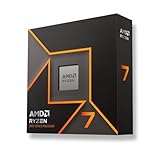
- The quiet brain — AMD Ryzen 7 9700X (around $359). Native 65W behavior and ample cores for big sessions; the heat you don't make is heat the fans never chase.
- Best cooler — Noctua NH-D15 G2 (around $180). The dual-tower benchmark for inaudible cooling on a cool-running chip. On a budget, the Thermalright Peerless Assassin 120 SE (around $36) is the value pick that still runs near-silent. More on this in our CPU cooler guide.
- Best PSU — Corsair RM750x (2024) (around $120). Gold-rated with a zero-RPM fan mode that stays off all session in a studio-power build; see the power supply guide for the why.
- Best case — Fractal Design North (around $155). Mesh-top airflow that lets fans loaf; choose the be quiet! Pure Base 501 (around $110) if you'd rather trade a little airflow for sound-damping panels.
- Best fans — Noctua NF-A14x25 G2 PWM (around $45). 140mm, low-noise, with no coil whine to leak into a take; the Arctic P14 PWM PST 5-pack (around $41) fills a whole case cheaply.
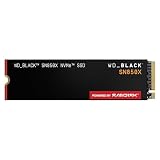
- Best storage — Samsung 990 EVO Plus (2 TB) (around $185). Silent, fast NVMe for sample libraries; the WD_BLACK SN850X (1 TB) (around $90) covers a leaner OS-plus-projects drive.
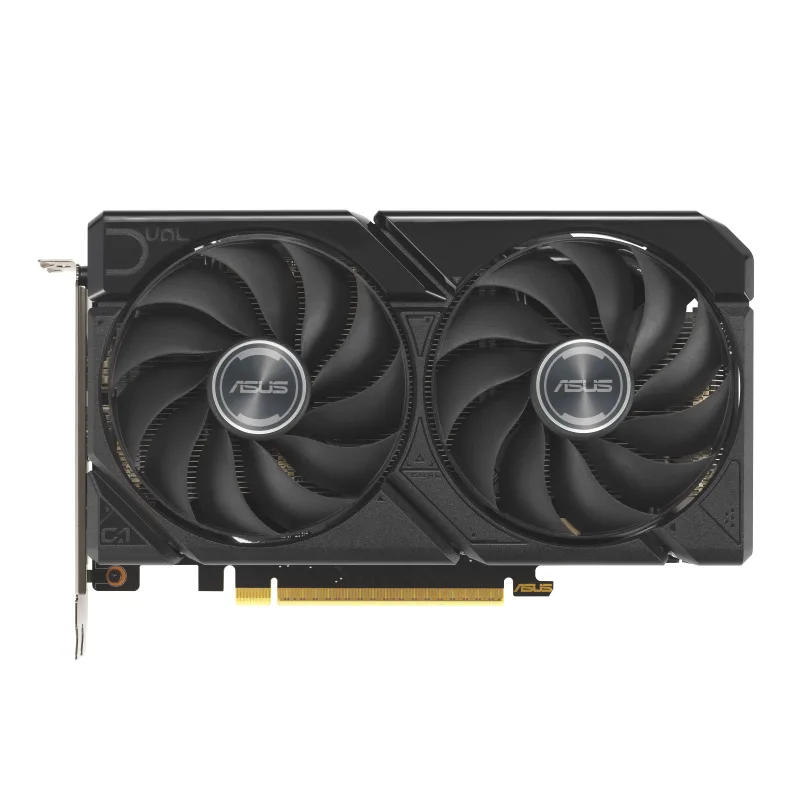
Pick this if music is the whole job: skip the discrete GPU and run an integrated-graphics CPU like the AMD Ryzen 5 8600G (around $191) — DAWs barely touch the GPU, and removing it removes the box's loudest fan and its biggest coil-whine risk. If you also game or edit video, a fan-stop card like the AMD Radeon RX 9060 XT (16 GB) (around $349) idles silent and only spins up under load.
Once you've settled on the parts, build a complete setup around them.