Skip to content
Real rig · I own this gearMusic Production

My 10×10 home music-production studio

The real 10×10 room where I make finished records — a lean, in-the-box setup built around Barefoot Footprint 02 Gen 2 monitors and calibrated with SoundID Reference. The gear I actually own, why I chose it, and how I trust my mixes in a small room.

Last updated 2026-06-27

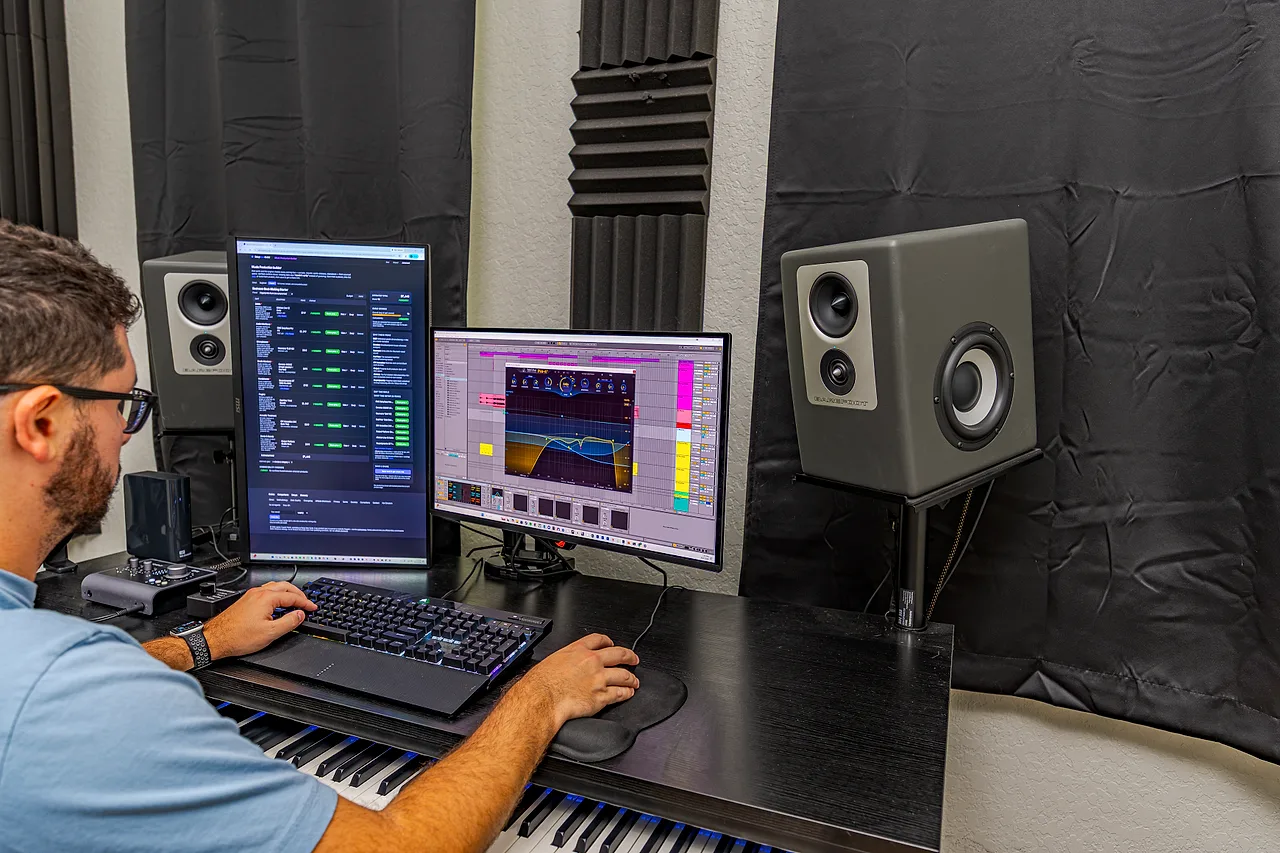
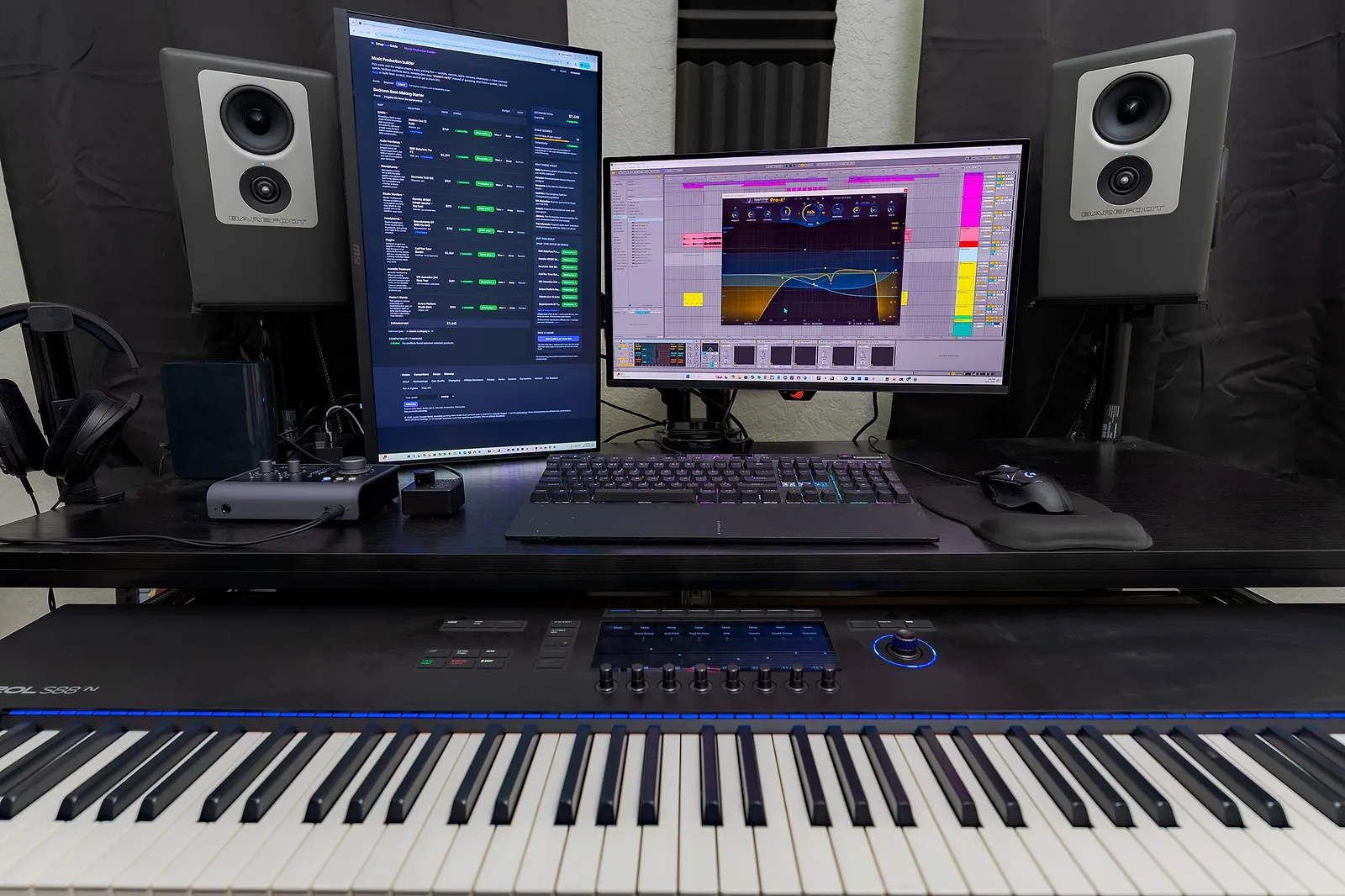
A 10×10 home music studio: two Barefoot Footprint 02 Gen 2 monitors flanking dual displays, a Komplete Kontrol S88 keyboard below, and an Audient iD14 on the desk
Kyle Romero

Kyle Romero I produce music, build developer tools for Ableton Live, and personally own every piece of gear on this page.

Room10×10, lightly treatedMonitorsBarefoot 02 Gen 2InterfaceAudient iD14 MkIIHeadphonesSennheiser HD 660S2KeysKomplete Kontrol S88DAWAbleton Live SuiteApproachIn the box

The space

The room: a 10×10 home studio

Everything happens in a 10×10 room. It's small, and I've leaned into that rather than fight it — almost all of my producing, mixing, and mastering happens in the box, and the footprint stays deliberately tight.

The acoustics are a work in progress, and I'll be honest about it: right now I have simple treatment that mostly tames the high end, not the low. I'd love to do serious bass trapping, but we're moving soon, so I'm saving the permanent buildout for the next space. In the meantime I lean on calibration and headphones to keep my mixes honest — more on that below.

A person seated at a studio desk, one hand on the keyboard, an Ableton Live session open on screen
A normal session — producing and mixing entirely in the box.

Monitoring

How I trust my mixes in a 10×10 room

Monitoring is the part I'm fussy about, because a small, lightly-treated room will lie to you — especially in the low end. So I don't trust any single source. Here's how I actually make decisions.

Two reference points

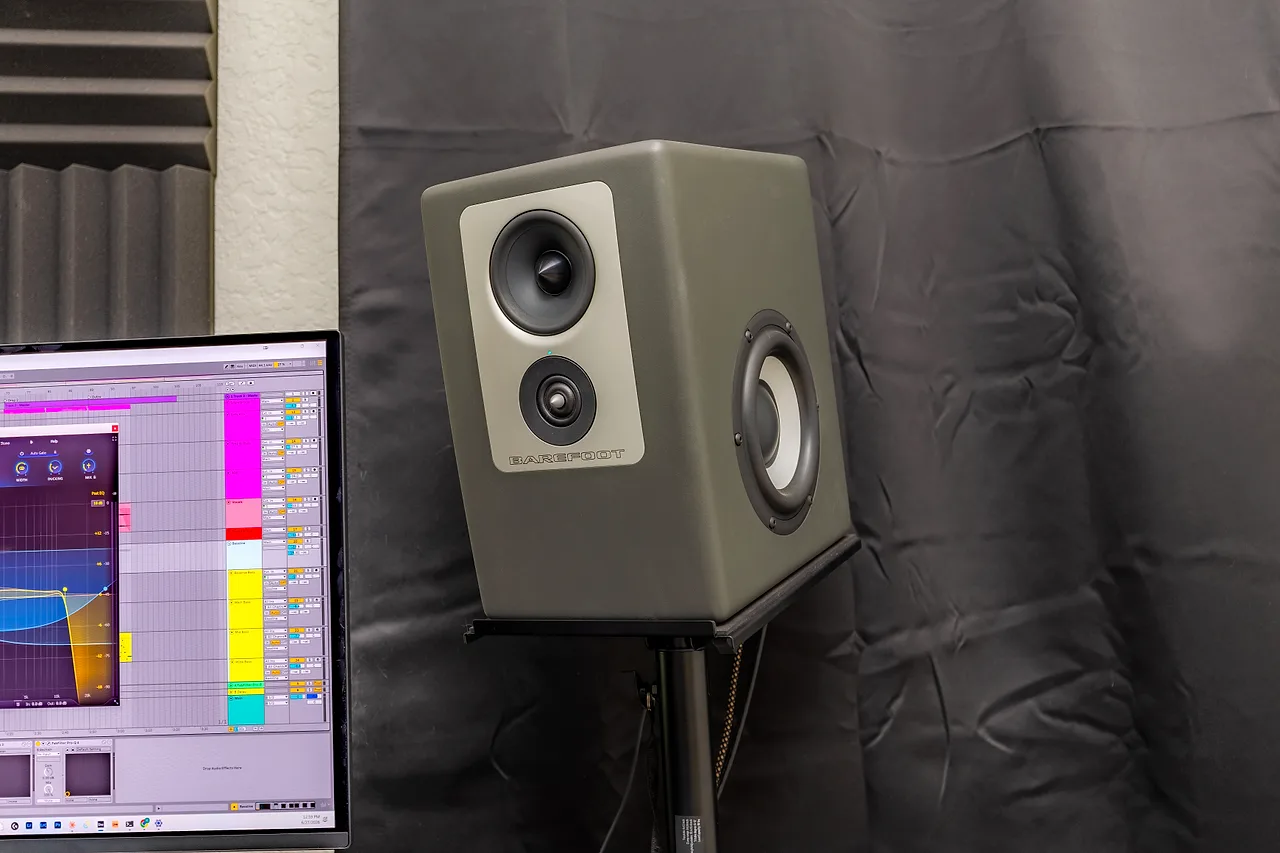
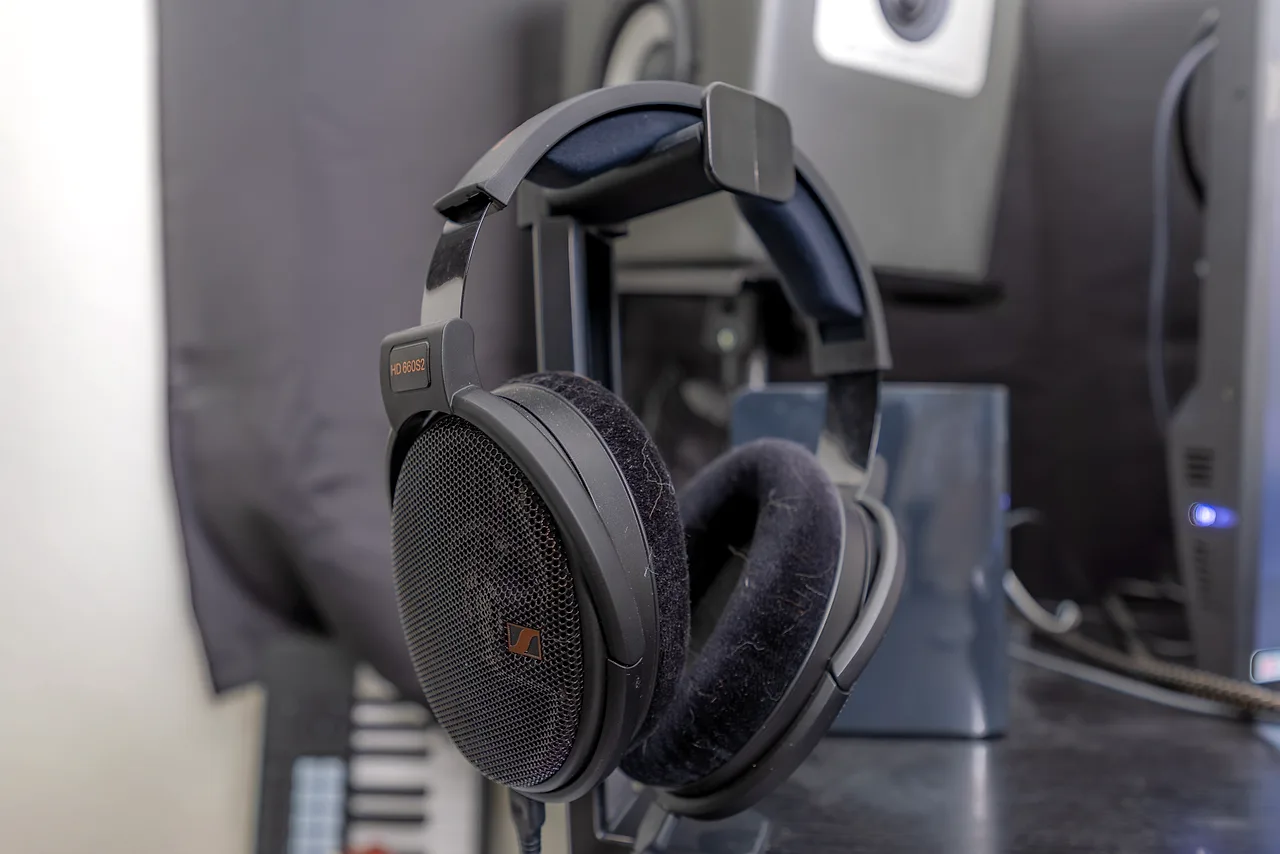
I listen for vibe and low-end feel on the Barefoot Footprint 02 Gen 2s, and I make the careful, precise calls on open-back Sennheiser HD 660S2s. Coming from the KRK Rokit 5s I'd had since high school, the Barefoots were a clear step up — they resolve detail and low-end depth the Rokits never did.

Calibrate to neutral

I run SoundID Reference on both the monitors and the headphones. It flattens the frequency response so the tonal balance lands far closer to neutral than a lightly-treated 10×10 has any right to give me. It corrects tone, not the room's decay and reflections — which is exactly why I never trust the speakers alone.

Check the translation

The Barefoots have MEME voicings — FLAT, Old School, and Cube — that emulate other speakers. I live on neutral (honestly, even when I'm just watching TV), but I flip through the voicings to make sure my low end still reads right on what people actually listen on: phones and laptops.

Once you get to neutral, you don't want it any other way.
Kyle Romero

The gear

The gear in this rig

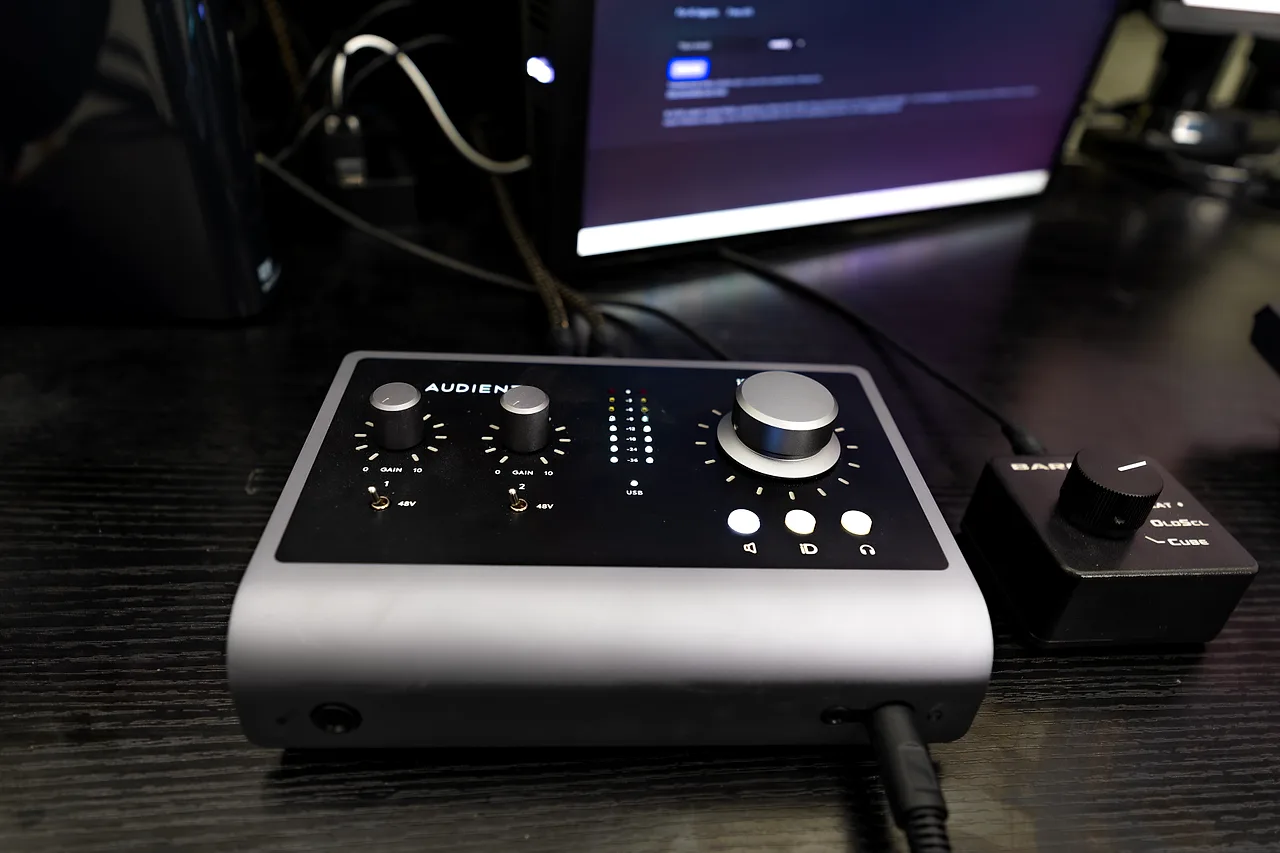
Audient iD14 MKII

Audio interface

The hub every signal passes through — picked to drive the Sennheisers and to expand later over ADAT. (Full hands-on take on its page.)

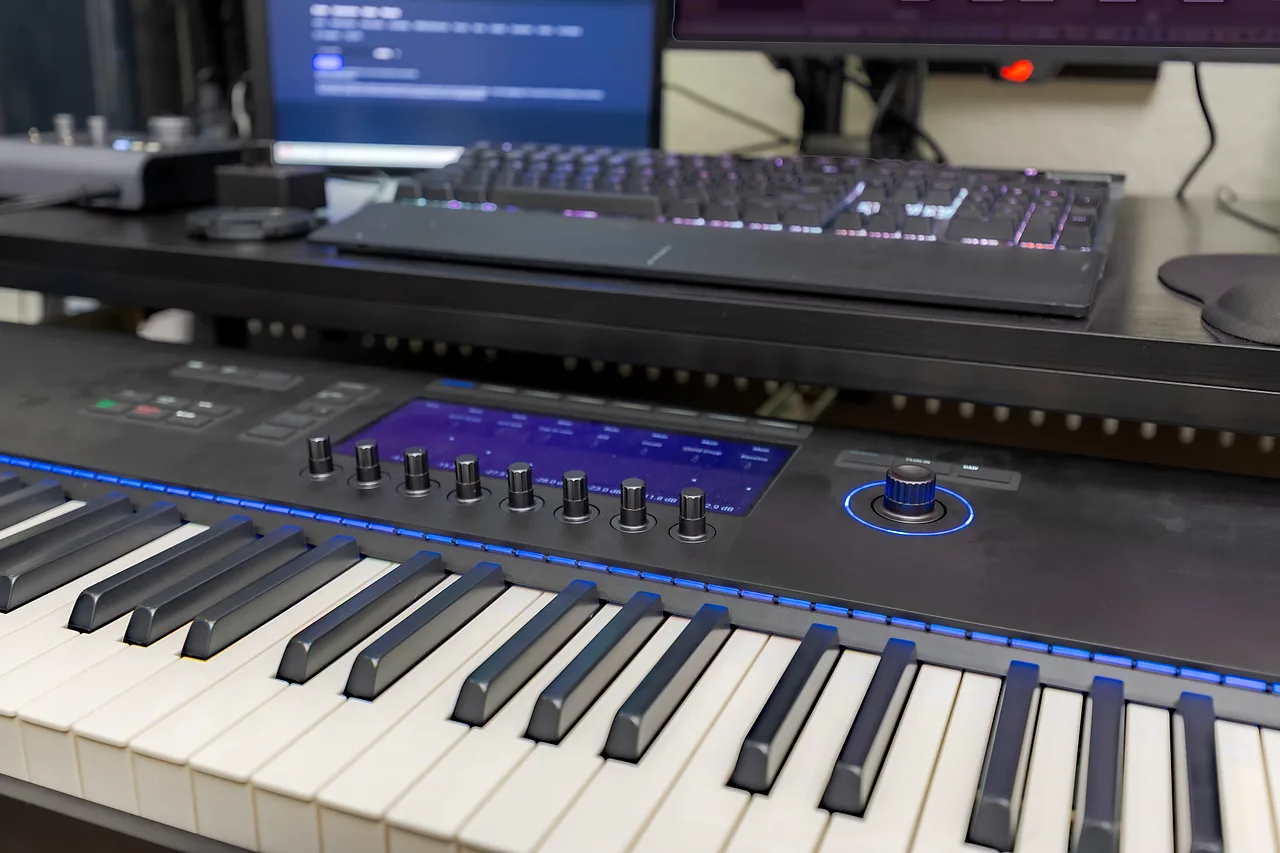
NI Kontrol S88 MK3

Keyboard / controller

NI Kontrol S88 MK3
Native Instruments

The instrument I play and program from — I bought the desk around it, and it's my way into learning real piano. (Full hands-on take on its page.)

Sennheiser HD 660S2

Headphones (open-back)

The precision, late-night counterpart to the Barefoots — flattened with SoundID so the headphones can break ties. (Full hands-on take on its page.)

The machine

The PC it all runs on

All of this runs on one machine I built. It's a general-purpose, gaming-leaning build — every one of my hobbies runs through it — which makes it overkill for audio in the best way: sessions never bog down. The fast NVMe keeps big Komplete and Splice libraries instant, and the 20TB drive is the archive.

Memory
32GB DDR5
Primary storage
6TB NVMe SSD
Archive
20TB external HDD

In the box

The software I work in

Because the room is small and I work in the box, the plugins do the heavy lifting. This is the stack I actually open every session.

Ableton Live SuiteDAW

Home base for everything — writing, producing, arranging, and mixing.

Komplete 15 UltimateInstruments & effects

The backbone of my sound library, and what makes the S88 click — browse, audition, and play it all from the keys.

FabFilter Total BundleMixing & mastering

In every single session — Pro-Q is the EQ I reach for over everything else, and Pro-C, Pro-L and Pro-R are the cleanest, most usable versions of those tools I've worked in.

iZotope Neutron 5Mix assistant

For shaping and balancing when I want a fast, analytical starting point.

Serum 2Synth

My go-to for sound design when I want to build something from scratch.

SpliceSamples

Where I pull samples and one-shots to get ideas moving quickly.

I open Pro-Q before almost anything else in a mix.
Kyle Romero

Approach

Why it's built this way

I bought everything here near the high end, on purpose. I'd rather research carefully and buy once than save a little now and repurchase later — over the years, quality is both cheaper and better. Almost nothing in this room is something I expect to replace.

And the gear is the smaller half of it. If I had a bigger space I'd probably start collecting outboard gear, but I'll be honest that it would be for the love of gear and the tactile fun, not because it would make my records better. Starting over, I genuinely wouldn't change a thing.

It's more what you do with the equipment than the equipment itself — as long as you don't bottleneck yourself.
Kyle Romero
Quality over price goes a long way: you don't have to repurchase, and it's better in the long run.
Kyle Romero

I don't just buy this gear — I build for it

In beta

Here's the part that makes this more than a gear list: I don't just use this stuff, I build for it. Right now I'm developing an Ableton Live extension — in beta — that walks people from a simple beat all the way to a finished, mastered track. This is the room where it gets made and tested.

More about who's behind the site →

A note on trust: owning a product never changes its score here. Rankings are computed deterministically from sourced specs by the same code for every product, and affiliate relationships are walled off from the rankings — some outbound links may be affiliate links, at the same price to you.

FAQ

Honest answers

Do you actually own this gear?

Yes — every item here is gear I personally own and use in this room. Where something isn't in our catalog yet, it's listed by name only, with no fabricated product link.

Does owning gear change its score on the site?

No. Ownership is never an input to the scoring engine. Every product is scored deterministically from sourced specs by the same code, whether I own it or not.

Are Barefoot monitors overkill for a small room?

For a 10×10, honestly yes — and that was intentional. I wanted one pair I could keep for a decade rather than upgrade through a chain of cheaper monitors. In a small room the payoff is less about volume and more about clarity and stereo image, which the Footprint 02 Gen 2s deliver in spades.

Studio monitors or headphones for mixing in a small room?

Both, on purpose. My monitors are for vibe and low-end feel, but a small, lightly-treated room can lie — so I make the precise calls on open-back Sennheiser HD 660S2s, and I run SoundID Reference on both to flatten the response toward neutral. It corrects the tonal balance, not the room's decay and reflections, which is exactly why the headphones get the final say.

Do you need bass traps in a 10×10 room?

Ideally yes — low frequencies are where small rooms struggle most. I only have light treatment right now because I'm moving soon and saving the serious bass trapping for the next space; in the meantime, calibration software and a trusted pair of headphones carry a lot of the load.

Is the Audient iD14 enough to drive the Sennheiser HD 660S2?

Yes — it was one of my reasons for choosing it. The iD14 MkII has the headroom to drive the 660S2s properly, plus ADAT expandability if I ever outgrow its inputs.

Weighted or synth-action keys for learning piano while producing?

I went with the full weighted keys of the Komplete Kontrol S88 specifically because I also want to learn real piano — weighted hammer action keeps your technique honest so it carries over to an actual piano (no controller fully replicates real escapement, but it's far closer than springy keys). If you only ever trigger drums and stabs, lighter synth-action keys are fine, but for piano skills you want the weighted bed.