New channels die from bad audio, not bad video. Build in this order and every dollar lands where viewers actually notice — then scale the camera last, once the channel is real.
This kit is for talking-head, product, and tutorial creators at a desk or in one room. It is not built for run-and-gun vlogging, gaming overlays, or multi-cam podcasts. Picks below are chosen on published specs, street pricing, and reviewer consensus, and every body-lens pairing is checked by our compatibility engine.
What to look for
- Audio first, always. A clip-on wireless mic upgrades every video more than a new body would. Budget for the mic before the camera, not after.
- One good light beats three bad ones. A single soft key light through a softbox is more flattering than a cluster of cheap panels; window light works until the sun moves.
- Buy into a system, not a body. Pick a mount you can grow with — an APS-C mirrorless system gives you cheap fast lenses now and a clear upgrade path later.
- Don't forget the support gear. A starter kit also needs a tripod or desk mount, a fast SD card, and ideally a spare battery so a shoot never stops mid-take.
- Match spend to stage. Spend on audio and light on day one; the camera is the easiest piece to upgrade once views and revenue arrive.
See how we pick for the full method behind these calls.
Our picks
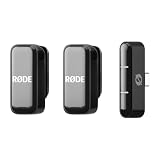
- Start here (audio) — DJI Mic Mini (around $99). The single highest-impact purchase for a new channel; clips on, runs all day, and plugs into a phone or camera. Pick this if you're spending your first $100.
- Audio step-up — DJI Mic 2 (around $199). Adds true 32-bit float recording, so a take that clips is recoverable in the edit. Pick this if you record loud or unpredictable audio. More options in our microphones guide.
- Best budget light — Godox SL60IID (around $140). One COB light into a softbox does the work of a panel kit; pair it with window light as fill. Pick this if lighting is an afterthought you still want to get right.
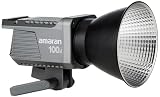
- Best key light — amaran 100d (around $199). Brighter, app-controlled, and consistent shot to shot — the upgrade once daylight stops being reliable.
- Best starter camera — Sony ZV-E10 II (around $1,100). The flip screen and product-showcase autofocus are built for talking-head and review content; E-mount means your lenses survive a future body upgrade.
- Best camera for stills too — Fujifilm X-M5 (around $900). Pick this if you also shoot photos and want film-simulation color straight out of camera.
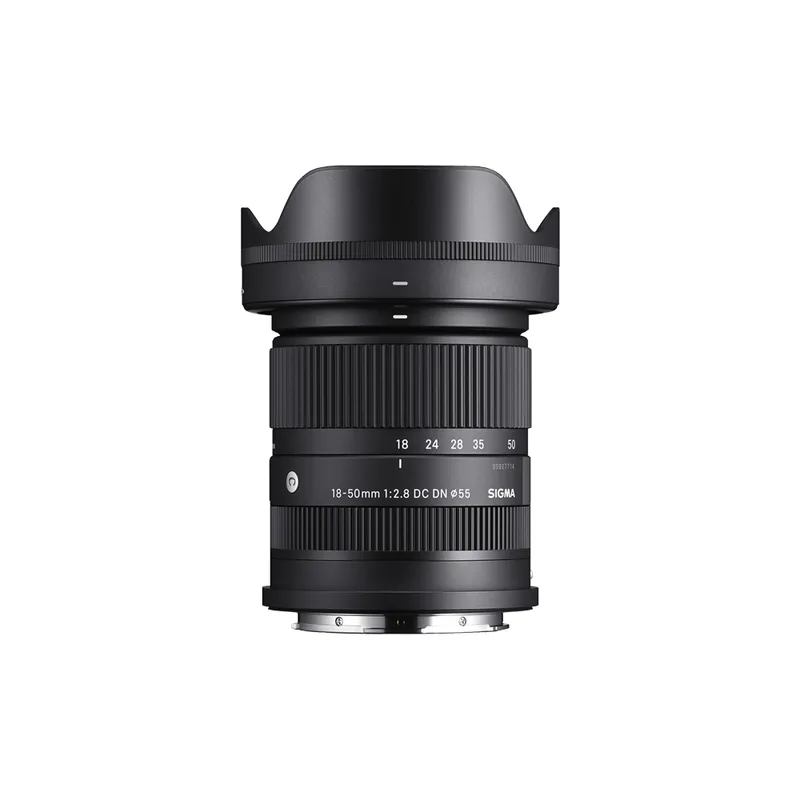
- Best starter lens — Sigma 18-50mm f/2.8 (around $599). Keeps backgrounds soft without a full-frame budget. On a tighter budget, a Sony FE 50mm f/1.8 (around $250) nifty-fifty gets you most of the look.
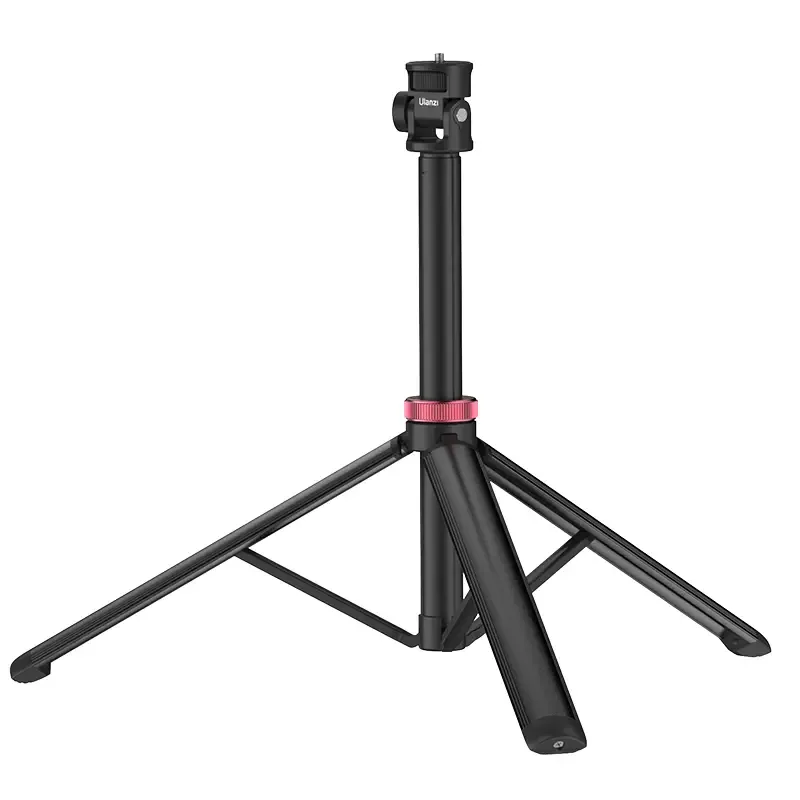
- Support gear — a JOBY GorillaPod 5K Kit (around $160) for desk and overhead angles, plus a SanDisk Extreme PRO V30 SD card (around $25) — V30 is fast enough for 4K and cheap enough to buy two.
On a tighter budget, start with just the DJI Mic Mini (around $99) on a phone, or pair it with the Sony FE 50mm f/1.8 on a used body, and add the camera once the channel earns its keep — most viewers can't tell a phone from a body, but they can always hear a bad mic.
Open the full build in the builder and trade pieces against your budget — or compare it against the real-estate video kit if paying clients are the goal.