Fanatec ClubSport DD vs MOZA R21 Ultra: which to buy
Two pro-tier direct-drive bases land at almost exactly the same money — both flagship-priced, and within a rounding error of each other — so this decision isn't about price. It's about whether you value a deep, console-capable ecosystem or raw torque headroom on PC, because that's the one place these two genuinely diverge.
The headline spec gap is real but easy to over-read. On paper the R21 Ultra advertises 21 Nm sustained torque, while the ClubSport DD now holds 15 Nm (Fanatec's product page lists 15 Nm holding torque after the free May 2026 firmware update, V1.4.2.3+ — units still on older firmware run the original 12 Nm). That's a meaningful difference: roughly 40 percent more headroom on the MOZA. But "sustained" is the word that matters. Past about 12-15 Nm, the limiting factor stops being the motor and becomes your rig. Both of these can rip a cheap desk clamp loose, and MOZA itself flags that the R21 Ultra is not ideal for tube-frame or desk-clamp rigs — it needs a rigid cockpit. If you don't already own a stiff aluminum-profile cockpit, the top of the MOZA's range is torque you literally cannot use.
Pick the Fanatec ClubSport DD if you race on Xbox, or you want one base that can follow you onto console later, or you're buying into Fanatec's wider parts catalog. This is the only one of the two with any console story at all: PC support is full, and Xbox is supported when paired with an Xbox-licensed Fanatec wheel. (If PlayStation is your platform, note that even the ClubSport DD won't get you there — Fanatec's PS-licensed direct-drive tier is the pricier ClubSport DD+, not this base.) It runs the QR2 quick release and Fanatec's FullForce feel, and it slots into the largest first-party rim, pedal, and shifter ecosystem in sim racing. That breadth is the reason to pay flagship money for "only" 15 Nm.
Pick the MOZA R21 Ultra if you are PC-only, you already have (or are building) a rigid 8020-style cockpit, and you want the most torque-per-dollar of the two. For the same outlay you get 21 Nm of sustained force and MOZA's NexGen Force U1 internals, plus access to MOZA's increasingly complete in-house lineup of wheels, pedals, and dashes through Pit House. For a competitive hot-lapper chasing every last detail of curb and kerb feel on PC, the extra headroom and the single-app tuning workflow are the draw.
The trap to avoid: buying the R21 Ultra for the 21 Nm number and then bolting it to a flimsy frame, or buying it expecting console play. It has no Xbox and no PlayStation support — it is a PC-only base, full stop. Conversely, don't dismiss the ClubSport DD as "weak" because the headline figure is lower; 15 Nm is already more than most drivers run for hours, and the firmware bump came free. The genuine mistake is letting one spec line decide a purchase that's really about platform and parts.
Bottom line: if you live on PC, race competitively, and own a solid cockpit, the MOZA R21 Ultra gives you more usable torque headroom and a tidy single-vendor stack for roughly the same money. If you touch Xbox, want a hedge against switching platforms, or you're investing in the broadest hardware ecosystem out there, the Fanatec ClubSport DD is worth the slightly lower number — and check the live price table below, because whichever way these two drift on sale is often the real tiebreaker.
Spec comparison (generated live)
| Spec | 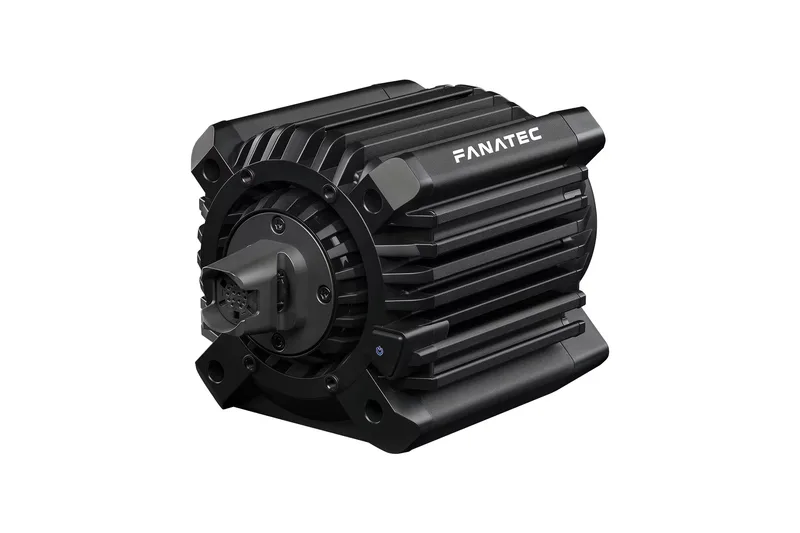 Fanatec ClubSport DD (15 Nm) Fanatec ClubSport DD (15 Nm)Fanatec | 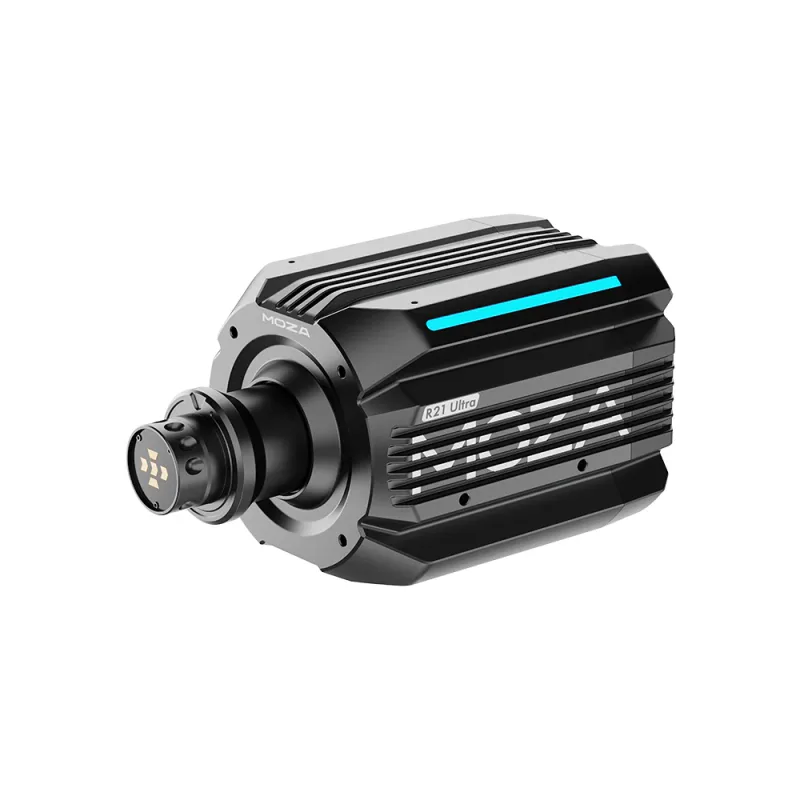 MOZA R21 Ultra (21 Nm) MOZA R21 Ultra (21 Nm)MOZA |
|---|---|---|
| Price (tracked / list) | $470 / $700 list | $699 |
| Overall scoreeffectively tied (within ±3pt band) | 79±3 | 79±3 |
| Tier | pro | pro |
| drive type | Direct Drive | Direct Drive |
| peak torque (Nm) | 15 | 21 |
| quick release | Fanatec Qr2 | Moza QR |
| connection | USB | — |
| Where to buy | Check price | Check price |
Some links may be affiliate links — same price for you; our comparisons are never influenced by commissions.