Ryzen 7 9800X3D vs Core Ultra 7 265K: gaming crown vs productivity value
This is one of the cleanest fork-in-the-road CPU decisions of 2026: the Ryzen 7 9800X3D is the fastest gaming chip you can buy, and the Core Ultra 7 265K is a 20-core productivity machine that Intel has discounted into bargain territory. They are not really competing for the same buyer. The 9800X3D is an 8-core/16-thread part whose entire identity is its stacked 3D V-Cache; the 265K is an 8P+12E, 20-core/20-thread chip that trades single-game frame rates for raw threaded throughput at a much lower sticker. Pick based on what your machine spends most of its hours doing, not on which one "wins."
Pick the Ryzen 7 9800X3D if gaming is the point of the build. The 3D V-Cache is not a marketing checkbox — it is a large stacked L3 cache that feeds the cores the working set most games actually thrash, which is exactly why X3D parts sit at the top of CPU gaming charts and why this chip carries our best value badge despite sitting below flagship pricing. It pairs to AMD's AM5 socket and DDR5, and AM5's long support runway means a drop-in CPU upgrade in a couple of years is realistic rather than a new motherboard. If you run a high-refresh 1080p or 1440p monitor and a strong GPU, the 9800X3D is the part that keeps your frame rates from being CPU-bound, and its eight cores are still plenty for the productivity most gamers actually do on the side.
Pick the Core Ultra 7 265K if the spreadsheet, the timeline, or the compiler matters more than the leaderboard. Twenty cores at a street price that typically lands a full tier below the 9800X3D is the whole pitch — and it is a strong one. For heavily multithreaded work — code builds, batch exports, CPU rendering, many-tab "everything at once" workloads — those 12 efficiency cores do real work that the 9800X3D's eight cores cannot match. The 265K also rides Intel's LGA1851 platform with native DDR5, and it ships with capable integrated graphics, so you can stand the system up and troubleshoot before the GPU arrives. As a price-to-productivity play in 2026's discounted Arrow Lake landscape, it is hard to argue with.
The trap to avoid: buying the 265K because it has more cores and expecting it to also be the better gaming chip — or buying the 9800X3D for a workstation and being puzzled by its eight cores. Core count is not frame rate. In games the cache-fed 9800X3D generally leads the 20-core Intel part, sometimes by a wide margin, because most engines care more about latency to a hot cache than about spare threads. The inverse trap is just as real: AMD's own positioning flags the 9800X3D as a weak pick for pure productivity — its 9950X-class chips own multicore — so do not spend up on V-Cache you will never feed with games. And remember these are different sockets — AM5 versus LGA1851 — so this is a motherboard-and-platform decision, not just a chip swap.
If you are PC-only and your monitor is your scoreboard, the 9800X3D is the answer and the price premium is the cost of the gaming crown. If you mostly render, encode, compile, or run dense multitasking and game on the weekend, the 265K hands you twenty cores for less money and you will rarely feel the gaming gap at sane settings.
Bottom line: the 9800X3D is the no-asterisk gaming CPU and worth its premium for frame-rate-first builds; the Core Ultra 7 265K is the value-productivity pick that quietly out-threads it for less. Decide which job your PC does most, buy that chip, and let the live price table tell you how wide today's gap actually is.
Spec comparison (generated live)
| Spec | 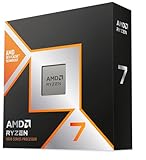 AMD Ryzen 7 9800X3D AMD Ryzen 7 9800X3DAMD | 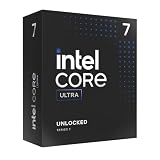 Intel Core Ultra 7 265K Intel Core Ultra 7 265KIntel |
|---|---|---|
| Price (tracked / list) | $420 / $449 list | $290 / $259 list |
| Overall scoreeffectively tied (within ±6pt band) | 75±6 | 72±3 |
| Tier | pro | enthusiast |
| socket | AM5 | LGA1851 |
| cores | 8 | 20 |
| threads | 16 | 20 |
| x3d cache | yes | — |
| integrated graphics | yes | yes |
| Where to buy | Check price | Check price |
Some links may be affiliate links — same price for you; our comparisons are never influenced by commissions.