Roland SH-4d Desktop Synthesizer
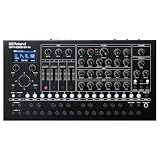
The SH-4d is an enthusiast desktop synth with serious breadth: 11 oscillator models spanning analog modeling, wavetable and recreations like the JUNO-106 and SH-101, 60 voices, and a knob-rich panel. It's for sound designers who want a versatile, hands-on engine in a small box. Skip it if you need keys (it's keyboardless) or demand true analog circuitry rather than modeling.
Scores
BreakdownHideOverall69±6Caliber-forward blend — tier caliber + within-tier price rank 30%, value 25%, confidence 20%, compatibility 15%, upgrade path 10% — renormalized over applicable dimensions; excluded here: compatibility (no ecosystem dimension).
Scores
BreakdownHideCaliber-forward blend — tier caliber + within-tier price rank 30%, value 25%, confidence 20%, compatibility 15%, upgrade path 10% — renormalized over applicable dimensions; excluded here: compatibility (no ecosystem dimension).
The ± band on the overall score reflects sourcing confidence — wider when fewer specs are verified.
How each score is computed: our scoring methodology.
Specifications
| Spec | Value | Verification |
|---|---|---|
| synthesis | digitalSourced | Sourced |
| voices | 60Sourced | Sourced |
| keys | 0Sourced | Sourced |
3/3 detail specs sourced. Amber rows are flagged for verification — we show them as reported, not confirmed.
Verdict
Best for
- 11 oscillator models (analog modeling, wavetable, JUNO-106, SH-101) in a knob-rich desktop
Who should skip this
- Keybed players (it is a keyboardless module); analog-circuit purists
Where to buy
List price $650
Prices are a guide and can change — confirm the current price on the retailer's site before buying.
Prices last checked Jul 15, 2026 — retailer prices change often, so click through for the current price.
Some links may be affiliate links — we may earn a commission at no extra cost to you; rankings are never influenced by it.
Compatibility
No platform-specific compatibility requirements — this works in any standard music production setup.
Upgrade path
Outgrow it and the Korg opsix mk II is the natural next step up in synths. See it →