Shure SM7dB vs Electro-Voice RE20: which to buy
Both are pro-tier broadcast dynamics built for the same job: a close, controlled voice that ignores a noisy, untreated room. On paper the real split isn't sound quality, it's the gain problem and what each mic does about it. The SM7dB hides an active preamp inside the body; the RE20 leans on its Variable-D porting to stay clean up close. Pick based on the interface you already own and whether you're miking a voice or a kick drum.
Pick the Shure SM7dB if your interface has thin or noisy preamps. This is the SM7B that finally solved its own biggest headache: the capsule is a low-output dynamic, but Shure built an active preamp into the housing that adds clean gain so you no longer need a Cloudlifter or FetHead inline booster to get usable level. That matters because the classic SM7B notoriously wants roughly 60dB of gain, and budget interfaces run out of clean headroom before they get there. The catch — and it's a real one, a documented limitation of the design — is that the SM7dB's preamp is powered by 48V phantom and the output is XLR only. So you trade away the Cloudlifter purchase but you absolutely need an interface that supplies phantom power. It's the natural default for podcasting, streaming, and vocals on a modest interface where gain has always been the bottleneck.
Pick the Electro-Voice RE20 if you're chasing the radio-booth sound and proximity control above all else. It is the broadcast voiceover benchmark, and its signature trick is Variable-D: a porting design that minimizes the proximity effect, so a presenter can work right up on the grille without the low end ballooning into boom. That's exactly what you want for the deep, even radio-announcer tone where the voice sits forward but never gets muddy as the talent leans in and out. The RE20 is also a genuine instrument workhorse — it's widely used on kick drum and bass cabinets, which is why it never leaves working studios: it's a staple on kick and broadcast voice alike. It's a true passive dynamic, so it needs no phantom power at all, but it does want a healthy preamp or a clean inline boost to hit comfortable levels.
The tonal signatures differ too, and a buyer choosing on sound rather than gain should know it: the RE20 is regarded as the flatter, more neutral voice — even and uncolored from top to bottom — while the SM7dB runs a touch warmer and ships with switchable bass roll-off and presence-boost EQ to shape the low end and add air on demand. Neither is "better," but the RE20 leans natural where the SM7dB leans shaped.
The trap to avoid: assuming "dynamic mic" means "plug it into anything and go." These two have opposite power requirements that quietly decide the purchase. The SM7dB requires 48V phantom to wake its built-in preamp — feed it an interface or mixer with no phantom and you get nothing usable. The RE20 wants no phantom but, like the original SM7B, asks a lot of your preamp's clean gain. So if you're on a basic two-channel interface with weak, hissy gain and no appetite for buying a separate booster, the SM7dB's onboard preamp is the safer bet. If you already run a console or interface with strong, quiet preamps (or a quality inline lifter), the RE20 removes the phantom dependency entirely and gives you that Variable-D proximity control the SM7dB can't match.
The other quiet differentiator is versatility versus specialization. The SM7dB is purpose-built around one job done extremely well: a spoken or sung voice, close, in a room you haven't treated, with the gain headache designed out. The RE20 is more of a two-tool mic — the same broadcast-grade voice plus a legitimate second life on kick drums and bass cabinets. For example, the same mic that handles your podcast can swing over to the kick drum in a tracking session without missing a beat — a range the single-purpose SM7dB simply doesn't have. If the mic will only ever face a talking head, that extra range is wasted; if it might pull double duty, the RE20 earns it.
Bottom line: get the Shure SM7dB if you're a podcaster or streamer on a typical interface and want the SM7B tone with the gain problem engineered away — it's the no-fuss choice as long as you have phantom power. Get the Electro-Voice RE20 if you want the definitive proximity-controlled radio voice, plan to mic instruments too, or already own preamps with clean gain to spare and would rather not depend on phantom power. The SM7dB typically sits a clear step above the RE20 on price — meaningfully pricier rather than a rounding-error difference, since you're paying for the built-in preamp — so let the live price table confirm the gap before you decide. But choose on the gain and Variable-D trade-off first, not on the dollars. And if you're still sorting out the other half of the chain, our podcasting mic and interface picks cover which preamps actually deliver the clean gain these mics ask for.
Spec comparison (generated live)
| Spec |  Electro-Voice RE20 Electro-Voice RE20Electro-Voice | 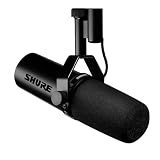 Shure SM7dB Shure SM7dBShure |
|---|---|---|
| Price (tracked / list) | $449 | $549 |
| Overall scoreeffectively tied (within ±6pt band) | 77±6 | 79±3 |
| Tier | pro | pro |
| mic type | dynamic | dynamic |
| connection | XLR | XLR |
| phantom power required | no | yes |
| Where to buy | Check price | Check price |
Some links may be affiliate links — same price for you; our comparisons are never influenced by commissions.